Why is Considering Your Skin Type Crucial for Your Skincare Routine?
- Written by: Skinlogics Clinic Team
- Published: 23 Jan 2026
- Medically Reviewed by: Dr. Vandana Malik
- Last Reviewed: 23 Jan 2026
Tried a skincare trend or used a strongly suggested skincare product, only to experience dryness, redness, irritation, or breakouts, instead of a radiant complexion? The problem isn't with the active ingredients you use; it's the skin type that wasn’t determined beforehand. We all have distinct skin types and tones as well as specific demands, sensitivities, and responses to skincare products.
Using inappropriate products that don't match your skin type can cause damage, aggravate existing skin concerns, and take time to show visible improvements. A skin doctor in Noida at Skinlogics Clinic says that knowing your skin type can help you follow the best skincare routine. When you choose a skincare product and treatment tailored to your needs and skin type, you can address your skin concerns, protect your skin's natural balance and barrier, and achieve long-term, healthier, more appealing skin.
What Does Skin Type Really Mean?
Skin type is the inherent feature of the skin, principally set by one’s genetic makeup and the production of the skin’s sebum. It influences the skin's hydration, texture, and sensitivity. Aging, fluctuating hormones, and environmental factors, including sun exposure, can affect skin type.
The Different Skin Types and Their Key Characteristics
- Dry Skin- It’s the skin that lacks surface moisture, sebum, and lipids. It looks dull and flaky, feels tight and rough, and is usually itchy.
- Oily Skin- It’s the skin that has an excess of sebum. It appears shiny and is most prone to acne breakouts and enlarged pores.
- Combination Skin- It’s the skin that has some zones that are oily and some that are dry or normal. On the face, the T-zone (the nose, forehead, and chin) is oily, and the cheeks are normal or dry.
- Normal Skin- It’s the well-balanced skin, having the right amounts of natural sebum and moisture. It has pores that are neither prominent nor clogged, a smooth texture, and a lower risk of imperfections.
- Sensitive Skin- It’s the skin that is highly responsive or reactive to certain foods, products, or environmental changes. When it’s sensitive to something, it becomes easily red and may itch, burn, or cause discomfort.
How Using the Wrong Products Can Harm Your Skin?
Use of an inappropriate skincare product, a product that is not suited to your skin type, can lead to:
- Weakened or disrupted skin barrier- The use of harsh products with incompatible actives or irritating ingredients, or over-exfoliation of the skin, can strip essential lipids from the skin, making the skin prone to damage.
- Inflammation and increased sensitivity- The use of topicals that have strong scents or dyes, chemicals, can cause allergic reactions, rashes, inflammation, and a burning sensation, if the skin is sensitive.
- Plugging of pores and subsequent acne breakouts- The use of heavy formulations, expired topicals, or products with comedogenic ingredients can lead to trapping of excess oil, impurities, and dead skin cells in the pores and further cause breakouts.
- More oily skin- The skincare products or cosmetics that leave the skin overly dry can trigger more sebum production, which could make the skin excessively greasy.
Why Skin-Type-Based Skincare Delivers Better Results?
Personalised skincare is always encouraged. Having your own skin type-suited skincare would mean:
- Appropriate addressing of specific skin issues- The morning and evening skincare routine plan is created based on your skin’s condition, keeping in mind your skin type and the climate of the place you live. Products that are tagged for oily skin have niacinamide and salicylic acid to help reduce sebum, whereas the products that are for dry skin have humectants, occlusives, and emollients to keep skin hydrated and the barrier well-protected.
- Minimal risks- Following the right skincare with products designed appropriately for your specific type would not irritate the skin or trigger adverse reactions like redness, inflammation, and itching.
- Optimised, general skin health for long-term- A tailored skincare routine will ensure that the formulations chosen support and maintain the skin’s health, function, and beauty. With consistency, even chronic skin issues can be effectively managed, and skin aging can be delayed.
- Making informed choices- With skin-type-based skincare, the money and time invested are not at all wasted. The dermatologist's recommendations ensure safety and effectiveness.
Choosing the Right Cleanser, Moisturizer, and Actives for Your Skin Type
Here are the dermatologist's recommendations for cleansers, toners, moisturizers, sunscreens, and serums, along with actives, for different skin types:
For Dry Skin:
- A toner with rose water, hyaluronic acid, or aloe vera
- Cleanser with actives like ceramides, shea butter, Vitamin C, niacinamide, glycerin, hyaluronic acid, and tocopherol
- A moisturiser in the form of thicker oils and creams containing occlusive emollients like ceramides, beeswax, and mineral oils without fragrance or dyes
- A sunscreen with a creamy base and containing the following ingredients: glycerin, hyaluronic acid, ceramide, shea butter, niacinamide, and dimethicone
- A skin hydrating and brightening serum containing Vitamin C or niacinamide.
For Oily/Acne-Prone Skin:
- A gel-based or foaming cleanser with salicylic acid or tea tree oil
- A pore-refining/balancing toner like a witch hazel or green tea toner with niacinamide to brighten skin
- An oil-free, non-comedogenic, lightweight, gel-based moisturiser with hyaluronic acid or aloe vera
- A non-comedogenic, matte-finish, broad-spectrum sunscreen of SPF 30 or higher
- An alpha or beta hydroxy acid-based, lightweight serum.
For Combination Skin:
- A foam- or gel-based, skin-oil and pH-balancing cleanser with ingredients like aloe vera or green tea
- A rose water or niacinamide-based toner
- A light moisturising cream or gel with ceramides and hyaluronic acid
- A gel-based, non-greasy, broad-spectrum sunscreen of SPF 30 or higher
- A lightweight, skin-hydrating and brightening serum containing Vitamin C or niacinamide, and a serum with gentle exfoliants containing lactic acid.
For Sensitive Skin:
- A fragrance-free, mild, hypoallergenic cleanser with ingredients like oats or chamomile
- A toner with rose water, oats, or an aloe vera-based toner
- A barrier-repair moisturiser cream with ceramides, shea butter, and panthenol
- A mineral sunscreen containing zinc oxide or titanium dioxide.
Professional Treatments and Why Skin Type Matters
Professional treatments like chemical peeling, medical-grade facials, laser treatments, and others all need to be tailored to your skin type. This ensures the treatment's safety and efficacy, no irritation, optimal results, targeted skin improvements, and long-term skin health.
Common Skincare Mistakes People Make by Ignoring Skin Type
Here are the usual mistakes that you must avoid when caring for your skin, as per your skin type:
- For oily skin- skipping moisturisers, using heavy formulations, and over-exfoliation.
- For dry skin- Over-exfoliation, use of harsh, oil-stripping cleansers, use of alcohol-based products, and no locking of surface moisture.
- For combination skin- Treatment of both oily and dry areas with the same product.
- For sensitive skin- Use of harsh, fragranced products or products with more actives, and doing no patch-testing of new formulations.
Other common mistakes that stand for all are:
- Avoiding daily sun protection
- No makeup removal before sleep
- Expecting instant improvements in the skin
- Use of products in the wrong order and manner
- Neglect of the skincare of the hands and neck
- No regular skin check-ups with a dermatologist.
How to Identify Your Skin Type Correctly?
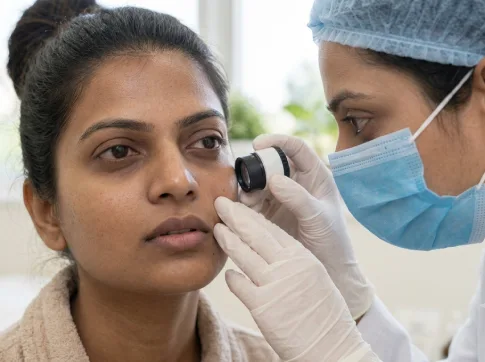
Self-identification of skin type is possible but not advised. A dermatologist can help determine your skin type by visual inspection, performing behavioral tests such as the bare-face method and blotting paper test, conducting patch tests, and reviewing your medical records.
Healthy Skin Starts with Knowing Your Skin.
To sustain good skin health, you need the right, consistent skincare and maybe some targeted dermatologist-recommended treatments. Planning of skincare routine and treatments is only successful when it is done by a dermatologist after knowing your skin type, concerns, and needs.
Need professional skincare guidance, a tailored plan for achieving and maintaining your skin health? Consider consulting a top-rated anti-aging expert and dermatologist in Noida at Skinlogics Clinic today.