How to Prevent Alopecia Areata from Spreading?
15 Apr 2026 Posted By Skinlogics
Alopecia areata, a patchy form of hair loss, is one of the most common hair loss problems in both children and adults. This condition often first manifests as one or two circular bald spots. If not managed promptly and properly, it can spread to form large bald patches.
With cumulative awareness and availability of advanced alopecia areata treatment in Noida, early diagnosis and better care can help me manage the condition effectively and prevent further spread.
This article explains how alopecia areata can be prevented from spreading and treated. Knowing ways to prevent the spread of alopecia areata can drive positive change in the extent of the condition and your life satisfaction.
Understanding Alopecia Areata- How This Autoimmune Disease Presents as Hair Loss?
Before learning how to stop the spread of alopecia areata, understanding it is important.
Alopecia areata is a disease where the immune system functions abnormally. The immune system (specifically T lymphocytes) mistakes the healthy hair follicles for foreign and attacks them, causing an inflammatory response. This miniaturizes hair follicles, causing hair to shed rapidly and suddenly stop growing. Even if hair regrows, it's fine or grey/white. The condition can affect scalp, beard, or body hair.
Here’s how the disease manifests:
- Sudden oval or round, smooth bald spots/patches without irritation or redness
- Exclamation point hair, the broken-off, short hair often at the edges of bald areas
- Nail pitting, brittle nails, nail thinning, or white spots or roughness of nails (in some cases)
- Minor itch, tingling, or burning just before or after hair shedding (in some cases)
- Eye irritation or sinus discomfort (only when eyebrow/eyelashes are lost)
- Total loss of hair (only when the disease is widespread).
Alopecia Areata Causes and Diagnosis
Alopecia areata is primarily the result of a combination of factors- genetic susceptibility to autoimmune response and environmental triggers like excessive stress, trauma, or viral infections. Most affected patients are smokers, individuals with allergic conditions, patients with other autoimmune diseases, and those who take certain cancer medications. The condition often presents before age 40, regardless of gender or ethnicity.
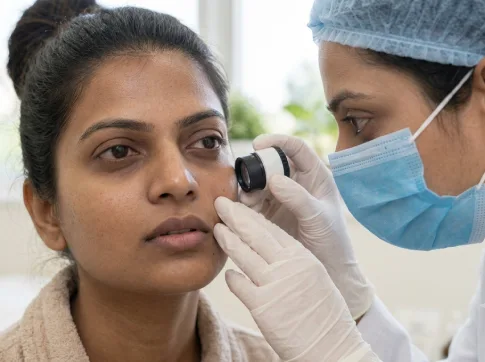
Dermatologists can diagnose alopecia areata by detailed examination of the affected areas with or without a dermatoscope. Sometimes, they order a biopsy of the bald area or removal of a few hairs from the area for microscopic examination.
In some cases, a blood test can help with diagnosis, as blood may contain markers of autoimmune conditions, elevated inflammation markers, and nutrient deficiencies.
How to Avoid Spread or Worsening of Alopecia Areata- Key Dermatologist-Recommended Strategies
If diagnosed with alopecia areata, the next step is to learn how to manage the condition with a dermatologist and prevent its spread or worsening. Here’s what dermatologists suggest to alopecia areata patients:
- With a dermatologist's help, identify your triggers for alopecia areata.
- Try to keep your hair loose and avoid hair extensions, heat-styling, or harsh chemical treatments. Pressure, heat, and chemicals all can stress the hair follicles
- Discuss treatment options with a dermatologist and start with prescription treatment without delay.
- Manage stress healthily with yoga, regular exercise, and meditation
- Protect the bare patches from direct UV from the sun by covering them
- Avoid trauma in the affected areas
- Consider aromatherapy scalp massage with essential oils
- Adopt a nutrient-rich, anti-inflammatory, low-glycaemic diet.
Effective Treatment Options for Alopecia Areata
Teens and adults with early to moderate alopecia areata may benefit from one or a combination of interventions.
Here are the commonly suggested medical treatments for managing alopecia areta in Noida:
- Intralesional corticosteroid injections- Corticosteroid injections are usually prescribed every 4-8 weeks. They help reduce inflammation, prevent autoimmune impact on hair roots, and encourage hair regrowth.
- Topical steroids or immunotherapy- Highly potent topical steroids may be prescribed once or twice a day. In some cases, a topical immunotherapy medication like diphenylcyclopropenone may be prescribed to suppress the immune system by inducing an allergic reaction.
- Topical minoxidil- Different prescription strengths of minoxidil are available for use twice or thrice daily to stimulate healthy, thick hair growth on areas with bald spots/patches.
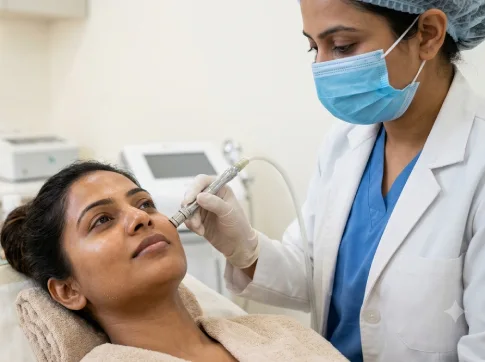
- GFC therapy- This treatment delivers highly concentrated growth factors into the scalp's target area. This helps manage inflammation and stimulate hair regrowth in affected areas/bald patches.
- Low-level laser therapy- This is a promising, painless treatment, less known to many patients. With laser combs or a helmet, red light is focused on the affected area a few times a week for months. It stimulates dormant hair follicle cells to grow healthy, thick hair. Combining it with minoxidil or P-RP can yield better results.
- Janus kinase inhibitors- An oral medication named bari-citinib is FDA-cleared for reversing hair loss in severe alopecia areata patients.
- P-RP Treatment- This procedure utilizes the patient’s own pla-telets to activate hair follicles. This helps support natural, gradual hair restoration.
The Conclusion
Alopecia areata is a chronic, non-contagious type of hair loss in which the immune system mistakenly attacks hair follicles, causing unpredictable, sudden, rapid patchy bald spots. It can affect any hair-bearing area and bring significant psychological distress. Though it has no permanent cure, it can be effectively managed with early, appropriate intervention, a healthy lifestyle, and proper care.
Still confused about how to get your alopecia areata treated? Consult with a top-rated alopecia treatment doctor/dermatologist in Noida at Skinlogics Clinic and learn how to manage your condition and avoid or delay its progression.
FAQs on Alopecia Areta Treatment
How does changing my diet plan help fight alopecia areata?
Switching to an anti-inflammatory, nutrient-dense, and low-glycaemic diet can help minimize an autoimmune response and nutrient deficiencies, and improve gut health to manage triggers and encourage healthy hair regrowth.
What to avoid if diagnosed with alopecia areata?
Avoid high-stress situations, inflammatory or high-glycaemic index foods, heat-based hair styling, chemical treatments, and direct sun exposure.
What are the natural ways to stop the spread of alopecia areata?
Common ways include practicing yoga and meditation for stress relief, oiling the scalp and hair with essential oils like rosemary or lavender, taking nutrient supplements, and applying onion juice, fenugreek seeds, or aloe vera. These can help reduce scalp inflammation and improve scalp health, supporting alopecia areata treatment.
How long does alopecia areata last?
The condition is unpredictable, may come and go throughout life, and may have signs lasting months to even years.
How serious is alopecia areata?
Alopecia areata brings no harm to physical health but can cause a significant emotional impact. It's neither life-threatening nor contagious, just an aesthetic concern.